


Mobile wallets, also known as digital wallets or e-wallets, are virtual wallets that allow users to store payment card information, loyalty cards, gift cards, and other sensitive data securely on their smartphones or other mobile devices. Here are some key aspects of mobile wallets:
- Payment Functionality: Mobile wallets enable users to make payments for goods and services electronically using their smartphones or other mobile devices. They can store credit card, debit card, or bank account information securely and use it to conduct transactions at physical stores, online retailers, or within apps.
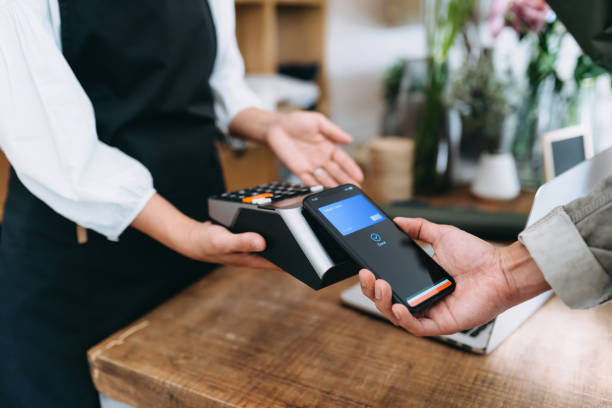
- Contactless Payments: Many mobile wallets support contactless payment technologies such as Near Field Communication (NFC), allowing users to tap their devices against compatible terminals to complete transactions quickly and conveniently.
- Security Features: Mobile wallets incorporate various security measures to protect users’ financial information, including encryption, tokenization, biometric authentication (such as fingerprint or facial recognition), and device-specific security features.
- Integration with Loyalty Programs: Some mobile wallets integrate with loyalty programs, enabling users to collect and redeem rewards points, coupons, or discounts seamlessly during transactions.
- Peer-to-Peer Payments: Many mobile wallets offer peer-to-peer (P2P) payment functionality, allowing users to send and receive money from friends, family, or acquaintances directly within the app.
- Bill Payments and In-App Purchases: Users can often use mobile wallets to pay bills, top up prepaid mobile phone accounts, purchase digital content (such as music, movies, or games), and make in-app purchases within supported apps.
- Cross-Platform Compatibility: Mobile wallets are typically available for various mobile operating systems, including iOS and Android, ensuring compatibility with a wide range of smartphones and tablets.
- Wallet Providers: There are numerous mobile wallet providers, including financial institutions, technology companies, and third-party payment processors. Examples include Apple Pay, Google Pay, Samsung Pay, PayPal, Venmo, and Cash App.
- Geographic Availability: The availability of mobile wallet services may vary depending on the region, as factors such as regulatory requirements, infrastructure, and partnerships with local banks or merchants influence deployment.
- Continued Innovation: Mobile wallet technology continues to evolve, with ongoing improvements in security, convenience, and functionality. Emerging trends include the integration of digital identity credentials, support for cryptocurrencies, and expansion into new markets and use cases.